SummitOutdoorsGear.com

Outdoors News, Camping Tips & Recipes and Outdoor Gear Reviews

Take a look around and grab the RSS feed to stay updated.
See you around!

Guest Author: Lynny Young

Is it already too late?
Some scientists warn that global warming may be close to being irreversible.
Have we waited too long to start making changes to lower our carbon footprints?
What sort of legacy are we leaving for our children?
If you are a parent, you may have had a few sleepless nights pondering those questions.

You Can Make A Difference!
In honor of Earth Day 2012, here’s a list of 23 simple actions you can take to reduce use of fossil fuels, conserve water, recycle, and save money while improving your local environment.

Use Less Paper Goods

  • Download applet readers from iTunes for your favorite magazines and ask them to stop delivering the printed magazine.
  • Call your creditors and utility companies and request that your monthly statements be sent via email.  If you are worried about overlooking an email set a reminder on your digital calendar of your billing due dates.  Need more help? Get reminders from a free bill organization website like Manilla.com.
  • Switch to Cloth Napkins.  Not only do they feel nicer, but your table looks more welcoming. Most of us wash linen each week, just incorporate the napkins. I suggest folding the napkins right when the dryer turns off. This will lessen wrinkle issues. Ironing the napkins would just waste energy. It’s okay to move beyond the need for perfection.
  • Bring a thermal mug to your favorite coffee shop and eliminate disposable coffee cups.

Conserve Water

  • Wash dishes by hand. Be sure that you turn the water off after rinsing.
  • If you are remodeling, choose efficient toilet basins that require less water to flush.
  • Consolidate the number of laundry loads you run each week.
  • Redesign your landscape to include subtropical plants and shrubs that require less watering.  If your family never uses the lawn, cut down on the water needed to keep the grass green. Reduce the area covered by lawn, and add some rock areas.  Trees can provide shade to help cool your home naturally.

Conserve Fuel

  • If you must commute to work, consider sharing a ride. Most metropolitan cities have ride share programs. Not only will you cut your gas prices, you will lower the wear on your vehicle and save money at toll bridges.  More than two in the car? Great! You will get to your destination quicker using the carpool lane.
    Helpful links: E-Rideshare.com, Ridester.com
  • Talk to your friends and carpool to shop and complete weekend errands.  Chances are you are going the same direction, and it is a terrific way to keep your friendships strong.
  • Talk to parents in your neighborhood and set up a schedule to rotate who picks up and who delivers the children to school each week.
  • Walk to events and shops that are nearby and get in some good exercise.
  • Consider switching to an electric car or buying a hybrid vehicle that gets better miles per gallon.

Cut Down on Plastic Use

  • Purchase reusable grocery bags or sew your own bags.
  • Stop drinking bottled water and instead purchase several metal bottles that can accommodate hot and cold drinks.
  • Reduce the times a week you and your family get take out or fast foods; thus, reducing styrofoam container waste.
  • Avoid wrapping all of your vegetables and fruit in plastic at the grocery store. Put them in your fabric bags and have the clerk scan and repack the bags. Keeping fruits and vegetables loose in your refrigerator or stored in reuseable containers will help the food stay fresh longer. Plastic bags emit gases which quicken the deterioration process.

Lessen Your Use of Toxic Chemicals

  • Switch to Eco-friendly cleaning supplies.
  • Research natural ways to combat insects and weeds beyond the use of chemicals which can be dangerous to pets and leech into your drain gutters.

Shop Locally

  • Buy seasonal groceries to reduce the dependency on produce and vegetables that are flown in from other countries.
  • Buy organic from local farmers.
    Helpful Links: LocalHarvest.org, EatWellGuide.org
  • Join a farm cooperative. This will save you money, reduce shipping fuel, and provide both exercise and increase community connections.
  • Shop at thrift and secondhand stores to find low cost clothing and household items that can be repurposed. You benefit by saving money and reducing the demand for manufacturing plants to produce more disposable goods.

Get rewarded with freebies on Earth Day 2012 by several major brands:

1.  Starbucks is offering a free hot or cold coffee drink to customers who bring in a reusable drink container or mug on April 22nd.

2.  Target is  giving a free reuseable bag to each person who visits a store on April 22nd.  See the Guest Service area of your local store.

3. Peet’s Coffee & Tea is offering a free medium coffee or drink to customers who purchase reusable drink containers or mugs at their stores on April 22nd.

4.  Numerous  National Parks will waive entry fees during the period of April 21-29 in honor of Earth Day.  Find a park near you.

If you like these ideas, please share with your friends. Thanks!

Base Camp 3 (29,029FT Above Sea Level): the Doctor is IN
One of the worst medical emergencies in the history of Mount Everest occurs in 2009, and Dr. Ken Kamler a microsurgeon who specializes in hand reconstruction and finger reattachment was the only doctor on the mountain.

An exert from Dr. Kamler’s talk shared at a TEDMED conference, touches on the mystery of the human brain and one man’s moment of triumph over tragedy:

“The [Everest] climbers passed him by, and Beck lay there for a day, a night and another day, in the snow. Then he said to himself, ‘I don’t want to die. I have a family to come back to.’ The thoughts of his family, his kids and his wife, generated enough energy, enough motivation in him, so that he actually got up.” (Ken Kamler)

Watch video [14:00]:

Thanks TED!
Our sincere thanks to TED.com for continuing to showcase insightful and unique people who birth ideas worth sharing! Learn more about TED.com.

Inspire someone, today!
Pass along this miracle: share the story with friends and family.

Guest Author: Lynny Young

Yogi Bear & Boo Boo Too!

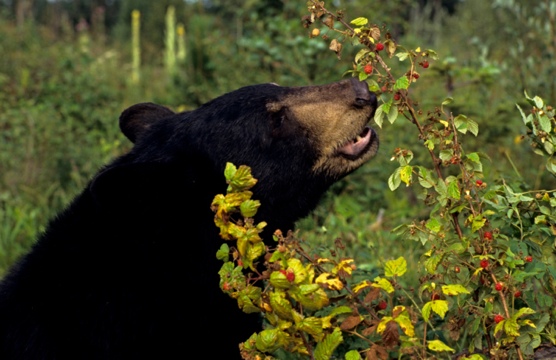
When I lived in the Shasta-Trinity National Forest, the warm days of summer would creep in, black berry bushes sprouted their fruit, and I would know to start keeping an eye open for fruit loving bears.

20120408-231949.jpg

The bears on the mountain were not particularly paparazzi seeking critters. In the five years I lived in the forest, I saw a total of three black bears. Both sitings were at the black berry bushes. They would hear the sound of my car’s engine and dart across the road. They weren’t sticking around! I took to calling them jelly jigglers as their coats and muscles would jiggle as they ran for cover. I always felt honored to see the bears since the opportunities were so few.

Fun Bear Fact 1: Bears can run up to 40mph.

If you are heading out into the forest and are not a seasoned outdoors person, this article posted on the Pocket Ranger blog gives specific guidance on how to navigate encounters with different types of bears.

If you bring food into the woods, know that the bears most likely would enjoy your pic-a-nic basket just as much as Yogi Bear and Boo Boo. Please lock up your camp food in bear proof canisters and do not leave food or water in your car or tent. Here’s some helpful food storage tips.

Fun Bear Fact 2: Did you know that the rangers at Yellowstone National Park must re-engineer the latches on garbage bins every two years because the bears adapt and figure out how to open the latches?

Guest author: Lynny Young

Camping Without the Chaos!

It’s out there. . . I can feel it.
The next big summer dream!
I can’t quite make it out, but it is popping into the corners of my conscious mind.
It’s a sign.
It’s the wilderness saying, “Pick me!”

Last year, I took a spur of the moment camping trip with a co-worker and her two kids. She and I were so consumed by work that we put off planning and reserving a camp site. You can guess how that turned out: we got the last camp space open. You know the one: small, sloped, rocky, cement sleeping pad, and huge boulder smack dab in the middle of the camp. We raced the sunset to set up base camp and get on with meals and campfire fun.

The overnight camping trip was great fun; however, advance planning would have relieved a mountain of last minute stress. Here’s a list of helpful tips for planning your next camping vacation:

  • Plan your trips ahead, especially if you will be traveling with other people. Pick an agreeable date. Will you be bringing along the fur friends? If not, find a potential pet or house sitter and accommodate their calendar in your early planning process.
  • Utilize the Internet to research State and National Parks. Many sites provide maps of the campsites, and some include photographs so you can avoid the beastly slopes!
  • Recreation.gov Explore America
    Find and reserve a KOA site
    Review National Parks

  • Pick a desirable camp site and register online. If traveling with older campers or campers with mobility issues, consider a site that allows you to drive to your camping space. Do not choose one that requires grandma to hike two miles to get to your idea of the pristine cliffside spot. Consider your campsite’s distance from running water and bathroom facilities (or the lack thereof). Does the park allow pets? Lastly, try to choose a camping site that will be near activities your group will enjoy (e.g., fishing, biking, hiking trails, etc.).

  • Research permits. Will you be allowed to make a fire at your site? Will you need a fire permit? Find out where to purchase those and take care of it in advance.
  • Will you be fishing? Purchase or renew your fishing license(s).
  • Take RFID ing.org – Renew fishing licenses

  • Plan your food menu. Divide up the food shopping and cooking responsibilities before the trip. The advance preparation will make food more affordable for each camper and reduce campsite stress.
  • Make a checklist of camping equipment, entertainment items (e.g., frisbee, deck of cards, guitar, etc.), and pet supplies to pack. Plan to have non-perishable items packed up in advance.
  • Prepare your vehicle for the trip. Clean out your vehicle, examine the tread on your spare tire, make sure you have tools to change a flat tire, and consider having the oil changed if you will be traveling any distance.
  • Will you be gone for more than a few days? Call the post office and your local newspaper and have vacation holds placed on your account(s).
  • USPS – Process mail hold online

    You know the next step: have fun!

    Guest author: Lynny Young
    Visit the Summit Outdoors Gear store

    20120410-220024.jpg

    Guest Author Lynny Young

    On a recent whirl wind trip through San Francisco, we stopped off at Fort Funston on Skyline Boulevard, hoping to find hang gliders leaping off the 200 foot cliff and sailing on the up draft of the wind.

    According to the Golden Gate National Parks Conservancy website, Fort Funston is classified as a Level III jump or intermediate level. Prime seasons are March through September. Hang glides float peacefully down the coast over Ocean Beach and climb back to the cliffs to sail onward again.

    20120319-201243.jpg

    The day we visited it was a cool 45 degrees and the sky was misting. We caught one hang glider soaring while several others were waiting out the weather and taking refuge from the crisp ocean winds.

    I have memories of visiting Fort Funston on mornings when the fog bank was thick, and you would see the sky above you break open with color as a vinyl bird soared over, the pilot softly shouting, “Coming through.”

    On a sunny day, bring a pic nic and enjoy the scenery while watching the hang gliders. Take the stairs for a steep hike down to Ocean Beach below or walk on the paths that lead through the natural landscape of the park. Fort Funston is one of a few parks in San Francisco where dogs may roam off leash. This makes the park a favorite of locals who wisely dress in light layers to match the coastal temperatures.

    Fort Funston - San Francisco

    In the above photo shared by Viriditas on the Fort Funston page on Wikepedia, a large metal fox hole juts out of the deck behind tourists. During War II, the fox holes were maintained by soldiers at various sites on the bluff. Each cramped and cold shelter had small metal bunks that hung from the wall, and included seating and a tiny area for cooking. The soldiers would triangulate locations of ships off the shore as a means to track whether enemy naval vessels were within firing distance of San Francisco. The coastal batteries were abandoned in 1963 and acquired by the National Parks Service.

    Adventure Movie: “Am Limit”

    Guest author: Lynny Young

    In 2007, brothers Thomas Hubert and Alexander Hubert broke the speed climbing record by scaling El Capitan’s nose route in just 2 hours and 45 minutes. Most climbers take between three and five days to summit El Capitan, the highest peak in Yosemite National Park.

    The movie, “Am Limit” staring the Hubert brothers was released in 2007. The movie is titled “To the Limit” on the Netflix release and is 1 hour 36 minutes in duration and includes subtitles.

    The cinematography of the movie is breathtaking as is the successes and failed attempts captured during the filming. I was inspired by the open discussion about the climbers’ inner realms and the feelings of euphoria and fear they experience when attempting and succeeding a climb.

    One landlady in the movie asks them why they continue to push themselves to such risky levels? They can only answer that they feel compelled to climb and reach higher challenges. It is an expression of their being.

    Leg us know your feedback on the film if you view it.

    Romancing the Camper

    Guest author: Lynny Young

    There’s not much more I enjoy where romance is concerned than snuggling up to my favorite camper and falling asleep in his arms. This past week as we journeyed through the inner banks region of North Carolina, we came across a beautiful area of Kure Beach that spawned all sorts of future romantic camping ideas.

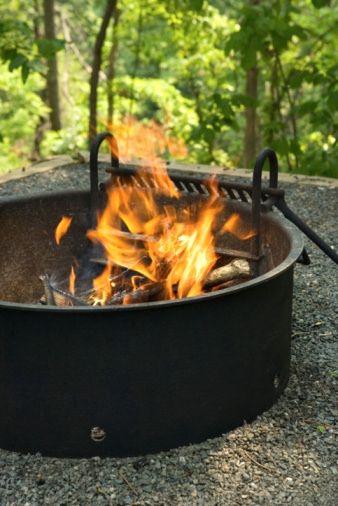
    As we walked along the beach, we recognized how amazing it would have been to have arrived prepared to share a fire as the sun settled over the sparkling waters. I imagined a future moment with my valentine, snuggled close warming hot cocoa and browning sweet marshmallows as we prepared s’mores to share. These simple moments are the kindling needed for planning romantic camping getaways.

    Here are some simple tips for spicing up a camping trip:

    – Research camp sites that allow you ample privacy to be alone and out I’d the watchful gaze I’d other campers and families

    – Bring along a bundle of firewood and kindling to make starting a fire a snap

    – Setup your tent and if you do not already have one, purchase a two-person sleeping bag that will allow you to slip inside and find interesting ways to stay warm. Remember, women are all about “touch” and sparks will ignite more easily if you aren’t rustling around in layers of clothing trying to keep warm!

    I can recommend the “Bonnie and Clyde” double sleeping bag. It has ample room for two though it can be separated for singular sleeping. The sleeping bag comes with two pillows, is lined with soft flannel and is suitable down to 30 degree temperatures.

    – Speaking of keeping warm: if you are Winter camping, you may need to consider bringing along your propane heater to keep your tent a comfortable temperature.

    – Bring along ample lighting to cast a warm glow inside your tent

    – Bring along food items that you have prepared at home to remove some of the camping set up stress. No camper feels particularly romantic when rushed or exhausted by setting up camp. Think pic-nic food or simple groaning board foods that you can set out on a platter and share: previously prepared and chilled pasta salad, olives, sliced cheeses, deli meats, French rolls for easy sandwiches, seedless grapes (always romantic for offering food to your mate). If you aren’t a cook, a quick trip to the deli counter at your local market will offer you many pre-made and fresh options to choose from.

    Don’t forget dessert! Sweeten up the ambiance by roasting marshmallows and making s’mores. Another simple but sweet option is to share strawberries and chocolates while sipping a nice white wine.

    – Wake up with the sunrise and enjoy some hot coffee and a nice breakfast before enjoying a hike together in the woods. Who knows you may be inspired to test out your double sleeping bag once again before breaking camp and going home with a new sweet memory in tow.

    Don’t be shy. Share your romantic camping ideas in the comment section below.

    Just this past week, the Santa Ana winds were huffing and puffing and blowing trees down in numerous Southern California communities. These photos shared by the Los Angeles Times remind me of the strength of nature and just how unexpectedly we can find ourselves in an emergency situation. A photo of a mother sitting in her candle-lit living room with her children wrapped in blankets makes me wonder how many people were caught without a plan.
    Five years ago, I relocated from Los Angeles to a small cabin in the Shasta-Trinity National Forest. My neighbors told me to expect an average snowfall of 2″-8″ during a storm. There was one particular storm that changed my point-of-view on emergency preparedness.

    As the weather front moved in, the snow flakes landed on pine and oak tree branches, painting a beautiful winter wonderland. The sky quietly dripped snow, leaving me feeling peaceful and comforted by the silence. As the snow started to accumulate, I had no idea that I should be turning my attention to emergency preparations. Instead, I settled into an afternoon nap and awoke three hours later to find four feet of snow!

    The burden of snow on branches toppled trees into power lines. We lost power for 36 hours. The storm had come in early, and had caught us without a reserve of seasoned wood on our porch. Like everything else outdoors, the wood was under a thick blanket of wet snow. After digging the wood out, I discovered that I could line the wood along the inner walls of the fireplace and let the heat pull out the moisture.

    We ate food from our pantry, burned wood, and waited for the snow to melt. It was 9 days before a snow plow was able to clear the roadways leading to our property. We weren’t prepared; we should have had a plan.

    The Ready.gov website includes many helpful resources for preparing for various natural disasters. Here are some basic guidelines to help your family be prepared for winter storms and severe cold conditions:

  • Stock up on rock salt to help melt snow and keep outdoor walkways safer.
  • Keep a few bags of sand on hand for creating traction under tires.
  • Examine snow removal equipment and shovels to be sure they are in good condition
  • Make sure you have adequate source of heating and backup reserve.
  • Make a family communication plan. Communicate your whereabouts to friends and loved ones as well as the status of your supplies while cell phones still have charge or phone
    lines remain in operation. More tech tips
  • Purchase a first aid kit with supplies to support the number of people in your home.
  • Keep a small cook stove on hand with propane or charcoal for heating food or boiling water.
  • Have an adequate supply of warm blankets. Store a few in your vehicle in winter months.
  • Check batteries and candle supplies every six months to make sure you have matches, lighters, and batteries for flashlights when needed.
  • If you are without Internet access, portable radios can help you stay updated regarding changes in the weather.
  • Keep a three day supply of food and water (e.g., canned foods, protein bars, jerky, dry foods, etc.). See more on this topic here.
  • The best time to prepare for an emergency is when you are safe. Having a plan and knowing how to quickly execute it, may save your life.

    How Santa Came to Love Cyber Monday

    ‘Twas weeks before Christmas and all through the house, little campers were sleeping with plans for woodland adventures filling their dreams. As Christmas morning arrived, the light of dawn trumpeted a new day and the question begging in all small campers’ minds:  had Santa arrived?  

    The children scurried down stairs and toppled one by one to a stop!  

    A large velvet red belly rose and fell as Santa slumbered in a Hennessy Hammock strung from banister to Christmas tree trunk. 

    When the smallest child giggled with glee, Santa awoke and with a twinkle in his eye up the chimney he did flee!  He knew these children’s parents shopped at Summit Outdoors Gear and saved $10-$15 Off select Hennessy Hammocks on Cyber Monday. 

    If you have a ‘Santa’ in your life who is extra tall or plump, the Explorer Deluxe A-Sym Zip will be the perfect gift.

    Why Is Camp Food So Uninspired!?

    By Lynny Young

    I subscribe to “Bon Appetit” magazine. My guy and I jokingly refer to the magazine as my food porn. In truth, I pour over the mouth-watering recipes for hours, and rarely cook a complete recipe. More importantly, the recipes offer me creative inspiration that spice up my future meals.

    I’ve been researching online recipes to share as I wait for my next chance to cook outdoors. In doing so, I found many over simplified recipes accompanied by a photo of a pot full of what I have come to call three-ingredient sludge. Sigh.

    In fairness, I suppose food is secondary in camping. Campers want to get outside, feel the sun on their faces, push themselves to new physical heights, and marvel at the majestic beauty of nature. Nonetheless, a delicious meal not only nourishes our bodies; it also feeds our souls. I raise my fork to these sites whose cooks didn’t let the outdoors curb their quest for good food:

    Dirty Gourmet for their Roasted Cream Cheese Stuffed Peppers recipe:

    Family Spice blog for Osso Buco with Beer prepared in cast-iron Dutch oven:

    In closing, these recipes would make any camper’s mouth water; and I agree with the authors’ points of view: “campfire cooking is limited only by your culinary imagination.”